
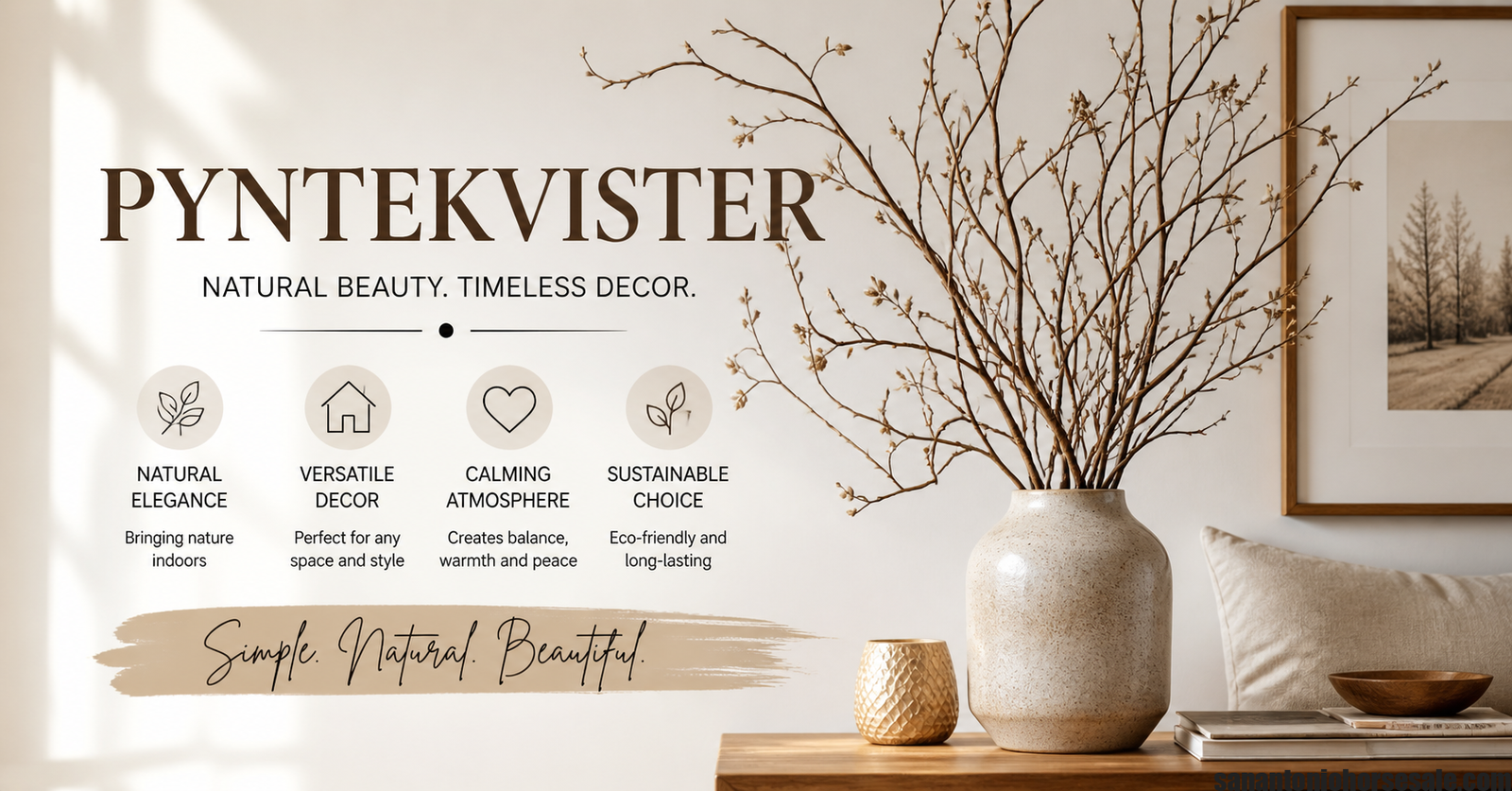
Pyntekvister are decorative branches rooted in Scandinavian design philosophy, combining natural simplicity with artistic interior styling. Originating from Norway, the term literally means “decorative twigs,” and refers to branches such as birch, pine, and hazel that are used to enhance indoor spaces. In modern home decor trends, pyntekvister have become a powerful symbol of biophilic design, minimalism, and sustainable living.
They are widely used in vases, wall displays seasonal decorations and artistic arrangements, offering a cost-effective yet elegant way to bring nature indoors. interior design continues shifting toward organic textures and calming aesthetics in 2026,emerged as a leading trend that blends tradition with modern creativity.
Table of Contents
- Pyntekvister in Interior Design
- Origins and Cultural Meaning
- Scandinavian Design Influence
- Types of Pyntekvister
- How Pyntekvister Are Made
- Uses in Home Interior Design
- Benefits of Pyntekvister
- Seasonal Styling Ideas
- Pyntekvister and Modern Minimalism
- DIY Creative Applications
- Buying Guide and Quality Tips
- Maintenance and Care
- Why Pyntekvister Is a Global Trend
- Conclusion
Pyntekvister in Interior Design
Pyntekvister refers to natural decorative branches used in home styling to create calm and nature-inspired interiors. These branches are usually placed in vases or combined with other natural elements to enhance a room’s aesthetic. Unlike artificial decor, pyntekvister highlights raw textures, natural shapes, and organic imperfections, making each arrangement unique.
It is valued for its simplicity, natural beauty, versatility, and eco-friendly nature. In modern interiors, pyntekvister is more than just decoration it reflects lifestyle, personality, and a connection to nature. It also helps create a soothing atmosphere that reduces visual clutter and promotes relaxation. Many designers use it to add a subtle yet elegant focal point in minimalist spaces.
Origins and Cultural Meaning
The word pyntekvister originates from Norwegian, where pynte means to decorate and “kvister” means twigs or branches. Traditionally, Scandinavian households used these natural branches collected from nearby forests to decorate their homes during seasonal changes, reflecting a deep connection with nature and respect for its natural cycles. This practice was not only aesthetic but also symbolic, representing harmony between human life and the natural environment. Over time, pyntekvister evolved from a simple rural tradition into a refined interior design element, gaining popularity in modern decor and eventually becoming a globally recognised style used in contemporary homes.
Today, appreciated for its minimalist beauty and sustainable appeal, often used in modern Scandinavian-inspired interiors. It continues to reflect the idea that natural simplicity can create elegant and meaningful living spaces. Many designers now incorporate it as a timeless decor element that blends tradition with modern lifestyle trends.
Scandinavian Design Influence
Pyntekvister is closely aligned with Scandinavian design principles, which are built around minimalism, functionality, natural materials, soft and light colour palettes, and emotional comfort within living spaces. This design philosophy originated in Nordic countries, where long winters and limited daylight encouraged interiors that feel bright, simple, and calming. Over time, it evolved into a globally influential style in modern architecture and interior design, admired for its balance between beauty and practicality.
In this context,naturally fits the Scandinavian approach to living. It reflects the less is more aesthetic by introducing organic visual interest without overwhelming the space. Instead of heavy or overly decorative elements, these natural branches add subtle texture, depth, and warmth while maintaining a clean and uncluttered environment.
Types of Pyntekvister
Different types of branches used in pyntekvister create distinct moods and visual effects, allowing them to suit a wide range of interior styles and seasonal themes. Birch branches, with their smooth white bark and elegant structure, are ideal for modern and minimalist interiors where simplicity and clean design are preferred. Willow branches, known for their flexibility and natural curves, bring a sense of softness and movement, making them perfect for artistic and flowing arrangements.
Hazel branches feature a twisted, textured appearance that adds a rustic and earthy feel, making them suitable for natural or countryside-inspired themes. Pine and fir branches, with their evergreen needles and fresh forest scent, are commonly used in winter decor to create a warm, festive atmosphere. Flowering branches such as cherry or apple blossoms introduce seasonal beauty with their bright and lively appearance, making them especially popular in spring arrangements that celebrate freshness and renewal.
Table Overview of Pyntekvister Types
| Type | Appearance | Best Season | Style Effect |
| Birch | White & clean | All year | Minimalist |
| Willow | Curved & soft | Spring | Artistic |
| Hazel | Twisted | Autumn | Rustic |
| Pine | Green & dense | Winter | Cozy |
| Cherry Blossom | Flowering | Spring | Fresh |
How Pyntekvister Are Made
The creation of pyntekvister is a simple yet highly artistic process that combines natural materials with careful craftsmanship. It begins with the selection of suitable branches, where artisans choose pieces with appealing shapes, textures, and structural strength. These branches are then cleaned and trimmed to remove dirt, excess twigs, or damaged parts, ensuring a refined and polished base for decoration.
After preparation, the branches are dried or preserved to increase their durability and make them suitable for long-term indoor use. In some cases, they are further enhanced through optional painting or finishing techniques to match specific interior styles or seasonal themes. Finally, the prepared branches are arranged into decorative compositions, often placed in vases or styled into creative displays. To improve longevity, some artisans also apply protective coatings that help preserve the natural beauty of over time.
Uses in Home Interior Design
Pyntekvister can be used in a variety of creative and stylish ways to enhance interior spaces, making them a versatile choice for modern home decor. One of the most popular uses is as vase centerpieces, where branches are placed in simple or decorative vases to create a natural focal point. They can also be used in wall-mounted arrangements, adding texture and depth to plain walls while maintaining a minimal aesthetic. In some interiors, pyntekvister is used as ceiling hanging decor, creating artistic and nature-inspired installations that draw attention upward. It is also commonly placed in entryways to create a welcoming first impression, or used as subtle table styling accents that complement other decorative elements.
For example, a tall birch branch placed in a glass vase can create a clean and minimalist look in a hallway, while willow branches combined with fairy lights can bring warmth and ambiance to a living room. Seasonal twig displays are also popular, allowing homeowners to refresh their decor throughout the year with festive, natural touches that reflect different moods and celebrations.
Benefits of Pyntekvister
Pyntekvister is more than just a decorative element; it offers a wide range of aesthetic, emotional, practical, and environmental benefits that make it a valuable addition to modern interiors. From an aesthetic perspective, it enhances room texture, adds vertical balance, and creates natural focal points that elevate the overall design of a space.
Emotionally, pyntekvister promotes a sense of calmness, reduces visual stress, and helps connect indoor environments with nature, creating a more peaceful living atmosphere. Practically, it is low-maintenance, long-lasting when properly dried, and serves as an affordable yet stylish decor solution for any home. Environmentally,supports sustainable living by using natural materials, reducing reliance on artificial decor, and helping minimise environmental waste, making it an eco-friendly choice for conscious homeowners.
Seasonal Styling Ideas
Pyntekvister is highly versatile and can be easily adapted to reflect the beauty of each season, making it a dynamic element in home decor throughout the year. In spring, it is often styled with small flowers, pastel ribbons, and light arrangements that create a fresh and uplifting atmosphere.
During summer, green leafy branches are commonly used to bring a natural, outdoor-inspired feel into interior spaces, enhancing brightness and vitality. In autumn, pyntekvister is decorated with dried leaves and warm earthy tones that reflect the cosy and comforting mood of the season. In winter, it is often combined with fairy lights, frost spray effects, and pine or fir branches to create a festive, warm, and seasonal ambiance that feels both elegant and inviting.
Pyntekvister and Modern Minimalism
Minimalist design is centred on simplicity, functionality, and clean aesthetics, and pyntekvister fits seamlessly into this philosophy. It does not overcrowd a space, but instead introduces subtle natural beauty that enhances the overall environment. By adding organic texture and visual balance, it complements neutral interiors and helps soften modern, often rigid design elements. Its light and natural appearance also makes it ideal for small apartments, where space efficiency is important.
In modern 2026 interior trends, pyntekvister is increasingly used as a single statement piece rather than heavy or layered decoration. A simple arrangement of branches in a well-placed vase can define an entire room’s mood, proving that minimal elements can still create a strong and elegant visual impact.
DIY Creative Applications
Pyntekvister is widely used in DIY home projects because it offers a simple yet flexible base for creativity. People often transform plain branches into decorative pieces such as painted gold or white accents that match modern interiors, photo display trees that hold memories in a natural way, hanging ornament structures for seasonal decor, handmade wreath bases, and even artistic wall sculptures that act as unique focal points in a room. These ideas make pyntekvister a popular choice for personal and budget-friendly home styling.
Hot glue is commonly used for secure attachments, especially when adding decorative elements. Most importantly, keep balance in the arrangement so the design feels natural, stable, and visually pleasing.
Buying Guide and Quality Tips
When purchasing pyntekvister, it is important to carefully evaluate the quality and natural characteristics of the branches to ensure a long-lasting and visually appealing decor piece. Look for natural shape variety, as unique and slightly irregular forms create a more authentic and organic aesthetic.Proper drying is also essential, and there should be no moisture smell, as this indicates good preservation and helps prevent decay. If the branches are treated or finished, a smooth and clean surface is preferred for a more refined appearance.
Pyntekvister can be purchased from several reliable sources depending on availability and preference. Home decor stores often offer curated and ready-to-use arrangements, while artisan craft markets provide handmade and unique pieces with more character.
Maintenance and Care
- Dust regularly using a soft, dry cloth or gentle brush
- Keep away from direct sunlight for long periods to prevent fading or drying
- Avoid exposure to moisture to maintain durability and shape
- Store properly in a dry, safe place when not in use
- Do not soak pyntekvister in water
- Avoid placing it in humid environments unless properly sealed
- Do not use harsh cleaning chemicals that may damage the natural texture
Conclusion
Pyntekvister is more than just decorative branches it represents a lifestyle shift toward simplicity, nature, and mindful living.Its versatility, affordability, and timeless beauty make it a powerful design element for anyone looking to create a peaceful and stylish home environment.
As interior design continues evolving in 2026, pyntekvister stands out as a symbol of natural harmony and creative expression proving that even the simplest elements of nature can transform a space into something truly extraordinary.