
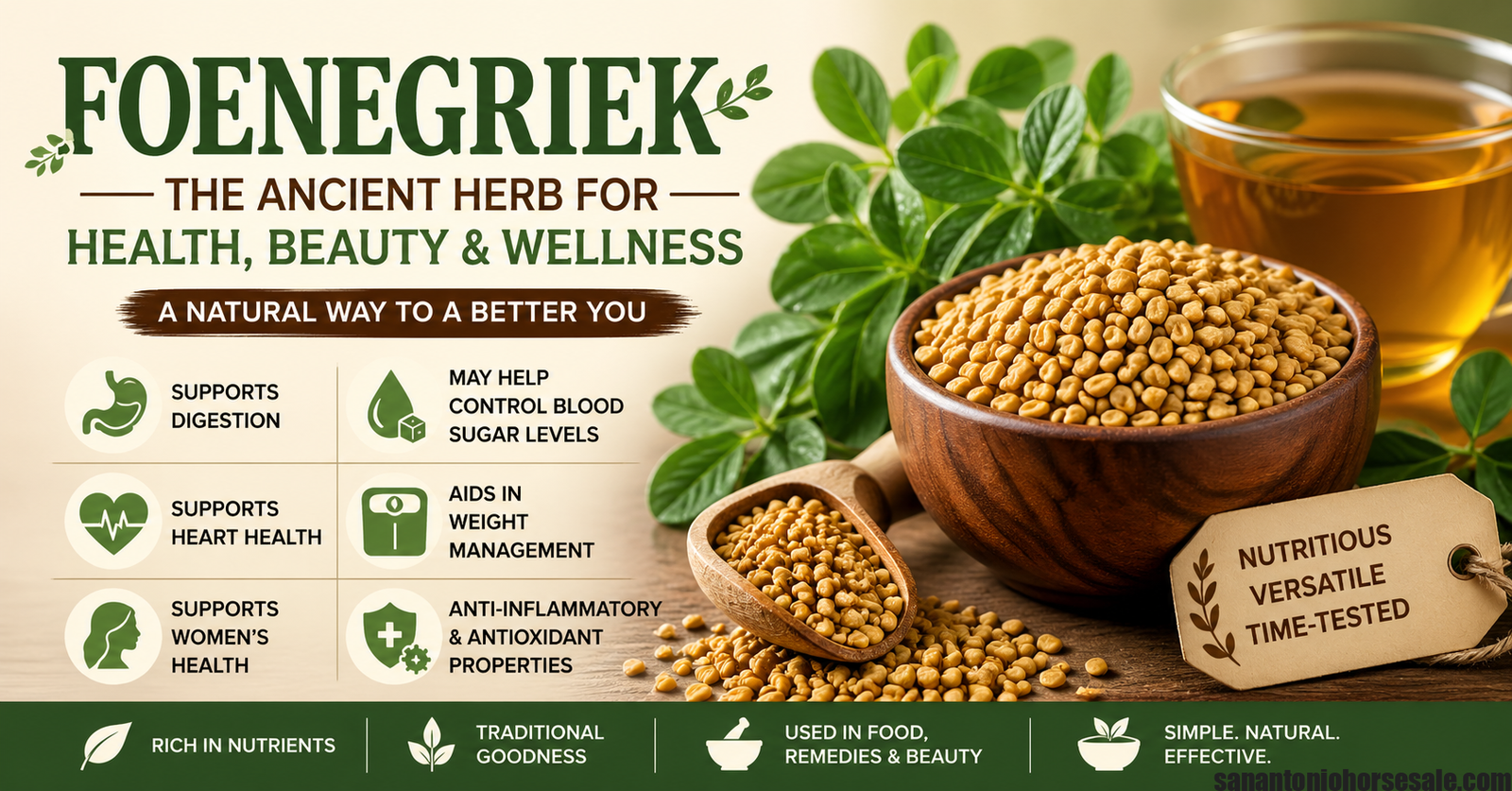
Foenegriek, commonly known as fenugreek, is one of the oldest and most widely used medicinal and culinary herbs in the world. Despite its long history, it has recently gained renewed attention as people increasingly turn towards natural remedies, plant-based nutrition, and traditional healing practices.
This powerful herb is used in cooking, herbal medicine, supplements, and even beauty treatments. Its seeds and leaves are packed with nutrients, making foenegriek a valuable addition to a healthy lifestyle.
What is Foenegriek
Foenegriek refers to fenugreek (Trigonella foenum-graecum), a well-known plant from the legume family that grows widely across Asia, the Middle East, and Mediterranean regions.
This versatile plant is valued for both its culinary and medicinal uses. It produces small yellow-brown seeds, green leaves commonly known as methi, and seed-filled pods, all of which are edible and widely used in different cuisines around the world. The seeds are especially popular due to their distinctive flavour, which is slightly bitter, nutty, and mildly sweet, often compared to maple syrup when roasted or cooked. Both the seeds and leaves are used in everyday cooking as well as traditional herbal remedies, making an important ingredient in global food and wellness practices.
Historical Background of Foenegriek
Foenegriek has been used for over 5,000 years, making it one of the oldest known medicinal plants in human history. In ancient civilizations, it held great importance for both healing and everyday life.
The Egyptians used fenugreek in embalming practices as well as for treating various health conditions, while the Greeks and Romans valued it for supporting digestion and respiratory health. In India, Ayurvedic medicine regarded foenegriek as a warming herb believed to balance the body and promote overall wellness. Traditionally, it was not only used as a food ingredient but also as a natural remedy for digestive problems, fatigue, inflammation, and recovery after illness. This dual purpose as both a culinary spice and a healing herb is what makes unique and continues to keep it relevant in modern time
Nutritional Profile of Foenegriek
Foenegriek is rich in essential nutrients that support overall health and wellbeing. It contains a wide range of important components that make it valuable in both nutrition and traditional wellness practices. The seeds are particularly high in dietary fibre, which supports healthy digestion and promotes good gut function.
They also provide plant-based protein, which is important for muscle repair, energy production, and overall body strength. In addition, foenegriek provides iron, which helps produce red blood cells, along with magnesium that supports proper muscle and nerve function. It also contains beneficial plant compounds such as saponins, flavonoids, and alkaloids, which may contribute to its potential medicinal properties and overall health-supporting effect.
Health Benefits of Foenegriek
Supports Digestive Health
Foenegriek is widely known for its positive effects on the digestive system due to its high fibre content. It helps improve bowel movement, reduce constipation, and support the growth of healthy gut bacteria. It may also ease bloating and indigestion, making digestion more comfortable. When soaked in water, the seeds produce a gel-like substance that coats and soothes the digestive tract, providing a gentle calming effect on the stomach.
May Help Control Blood Sugar Levels
One of the most researched benefits of foenegriek is its potential role in blood sugar management. Studies suggest that it may help slow down carbohydrate absorption in the body, which can prevent sudden spikes in glucose levels. It may also improve insulin sensitivity and help maintain more stable blood sugar levels over time. However, it is important to understand that should not replace medical treatment for diabetes but may be used as a supportive addition to a healthy diet and lifestyle.
Supports Heart Health
Foenegriek may also support better cardiovascular health. It may help reduce LDL (bad cholesterol) levels while supporting healthy blood pressure. In addition, it may improve overall lipid balance in the body. Its fibre content and natural antioxidants drive these benefits, as they work together to support heart function and reduce risk factors associated with heart disease.
Helps in Weight Management
Foenegriek may assist in natural weight management due to its high fibre content. Fibre helps increase satiety, meaning you feel full for longer periods, which can reduce unnecessary snacking and overeating. This can support better appetite control throughout the day. When combined with a balanced diet and regular physical activity,may contribute to healthy and sustainable weight management.
Culinary Uses of Foenegriek
Foenegriek adds its distinctive flavour and aroma to many global cuisines. Cooks commonly include it in curries, stews, spice blends such as curry powder, as well as pickles, chutneys, flatbreads, and baked goods. People also use it to prepare herbal teas for its traditional wellness benefits.
The leaves of foenegriek, known as methi, play a popular role in cooking, and cooks often add them to dishes such as potatoes with vegetables, lentils, soups, and traditional Indian breads like paratha. Cooks typically dry roast the seeds to enhance their aroma, grind them into powder for seasoning, or add them to hot oil during tempering to release their rich flavour. Because of their strong and slightly bitter taste, cooks usually use them in small quantities to enhance dishes without overpowering them.
How to Use Foenegriek in Daily Life
You can easily add foenegriek to daily life in several simple and practical ways. One common method involves soaking about one teaspoon of seeds overnight and consuming them in the morning to support digestion and overall gut health.
Another popular option is fenugreek tea. You can make it by boiling the seeds in water to create a warm, soothing herbal drink that may support digestion and relaxation. You can also add a small pinch of fenugreek powder to curries, soups, or vegetables to enhance flavour and nutrition. Additionally, sprouted seeds provide high nutritional value, and you can add them to salads for an extra boost of vitamins, minerals, and plant-based compound.
Foenegriek for Skin and Hair
Foenegriek plays a major role in natural beauty care due to its nourishing and restorative properties. In hair care, many people use it to strengthen hair roots, reduce dandruff, and promote a healthier scalp, making it a popular ingredient in traditional treatments and homemade masks.
For skin care, foenegriek may help reduce acne, support skin hydration, and contribute to a natural,healthy glow. Because of these benefits, it is commonly used in DIY beauty remedies such as herbal face masks, hair packs, and natural treatments aimed at improving overall skin and hair health.
Possible Side Effects of Foenegriek
Although foenegriek is a natural herb, it should still be used with care to avoid unwanted effects. In some individuals, it may cause mild digestive issues such as bloating or gas, especially when first introduced into the diet. It can also lead to a noticeable body odour that may smell slightly like maple syrup due to its natural compounds. In rare cases, allergic reactions may occur.
Additionally,may lower blood sugar levels, which is particularly important for people with diabetes who are taking medication. For safety, pregnant women are advised to avoid high doses, and individuals on regular medication should consult a healthcare professional before use. It is always best to start with small amounts to check personal tolerance before using it regularly.
How to Store Foenegriek Properly
To maintain the freshness, flavour, and nutritional quality of foenegriek, proper storage is very important. It should always be kept in an airtight container to protect it from exposure to air and contamination.
Store the container in a cool, dry place away from moisture, as humidity can reduce its quality and cause spoilage. Avoid direct sunlight because it can weaken the aroma and reduce the effectiveness of its natural compounds over time. For the best flavour and health benefits, use it within a reasonable period after purchase.Following these simple storage practices helps preserve both its rich aroma and valuable nutritional properties.
Foenegriek in Modern Wellness Trends
In today’s health-focused world, foenegriek has gained popularity as a functional food ingredient. People now use it in:
- Herbal supplements
- Detox drinks
- Natural health products
- Weight management formulas
Its revival comes from the global shift toward natural and traditional nutrition systems.
Conclusion
Foenegriek is much more than a simple spice. It is a powerful herb with a rich history, strong nutritional profile, and wide range of uses in food, health, and beauty.
From supporting digestion and heart health to enhancing flavour in cooking, foenegriek continues to prove its value across generations.While it is not a miracle cure, it can be a beneficial part of a balanced and healthy lifestyle when used responsibly and in moderation.Its long-standing presence in traditional medicine and modern nutrition highlights one simple truth: nature often provides some of the most effective wellness tools.
FAQs
What does foenegriek taste like?
It has a slightly bitter, nutty taste with a mild sweet aroma, especially when roasted.
How is foenegriek used?
People use it in curries, spice blends, teas, and herbal remedies in both seed and leaf form.
Is foenegriek healthy?
Yes, it contains fibre, vitamins, minerals, and antioxidants that may support overall health.
Can foenegriek be taken daily?
Yes, in small amounts. However, it should be used in moderation to avoid side effects.
Does foenegriek help digestion?
Yes, people commonly use it to support digestion and reduce bloating.
Are there any side effects?
It may cause gas, a maple-like body odour, or lower blood sugar in some people.