
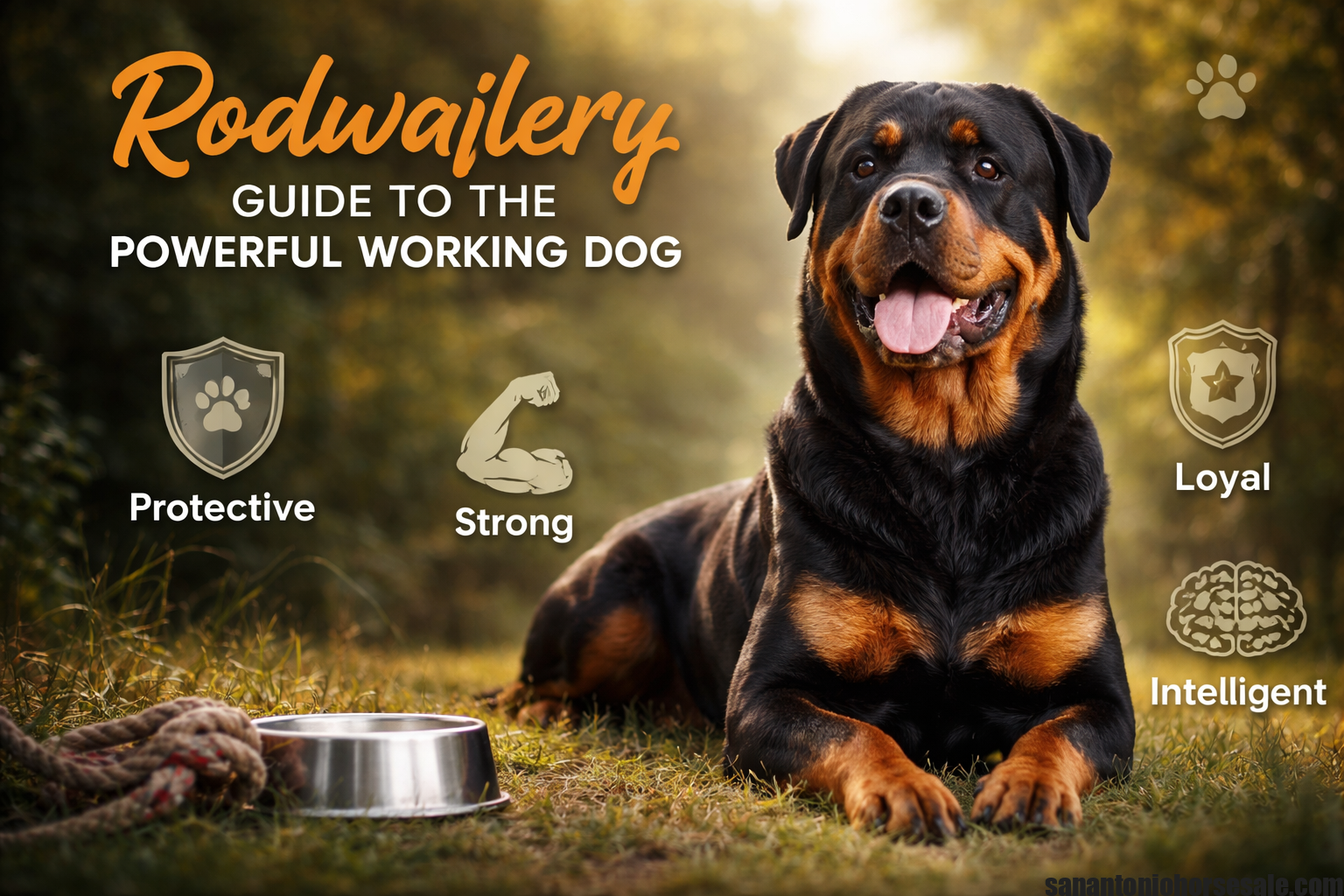
The term Rodwajlery is widely used across the internet to describe the famous and powerful Rottweiler dog breed. Although the spelling may look unusual, it is simply a regional or phonetic variation of the word Rottweiler. Over time, this variation has become popular in blogs, social media discussions, and search queries related to dog breeds.
Rodwajlery are known for their impressive physical strength, high intelligence, and deep loyalty toward their owners. Despite their strong and sometimes intimidating appearance, Rodwajlery are often gentle, affectionate, and highly devoted when raised with proper care and training. However, due to their strength and protective instincts, they require responsible ownership, early socialisation, and consistent training.
What Is Rodwajlery
Rodwajlery is not a separate dog breed rather, it is a spelling or pronunciation based variation of the Rottweiler, a well-known German working dog breed. The term is commonly used in informal writing, regional language variations, online searches, and SEO-based content. In simple terms, Rodwajlery refers to the same dog that is globally recognised as the Rottweiler.
This breed is highly valued for its strength, endurance, intelligence, obedience, loyalty, and strong protective instincts. Because of these remarkable qualities, Rodwajlery have earned a reputation as one of the most respected and versatile working dog breeds in the world, serving in roles such as guarding, police work, and family companionship.
History and Origin of Rodwajlery
The history of Rodwajlery dates back over two thousand years. Their ancestry can be traced to the Roman Empire, where large mastiff-type dogs accompanied Roman soldiers during long military campaigns.
Roman Origins
Roman armies used these dogs for herding cattle, guarding military camps, and protecting supplies during long journeys. These early dogs were strong, resilient, and well-suited to harsh conditions, which made them valuable companions for Roman soldiers as they travelled across Europe. Over time, this movement helped spread the ancestors of the Rodwajlery across different regions.
Development in Germany
The most important development of the breed took place in Rottweil, Germany, where these dogs were bred with local working dogs. This selective breeding helped shape the modern Rottweiler we know today. During the Middle Ages, Rodwajlery were widely used by butchers and traders for tasks such as pulling carts filled with meat, guarding livestock, and protecting money bags tied around their necks. Because of their important role in trade and protection, they became famously known as the “Butcher’s Dogs of Rottweil.”
Modern Evolution
With the rise of rail transport and modern logistics, the need for cattle-driving dogs gradually disappeared, leading to a decline in their population. However, the breed was later revived due to its intelligence, strength, and versatility. In modern times, Rodwajlery are widely used in police work, military service, search and rescue operations, property guarding, and as loyal family companions. Today, they are recognised as one of the most versatile and dependable working dog breeds in the world.
Physical Characteristics of Rodwajlery
Rodwajlery are known by powerful and muscular appearance. Their physical structure reflects their working heritage and strength.
Size and Build
Rodwajlery are medium-to-large dogs with a strong and powerful physical structure. Males typically weigh between 43–61 kg (95–135 lbs), while females are slightly lighter at 36–45 kg (80–100 lbs). Their height generally ranges from 56–69 cm (22–27 inches). Despite their size, they have a compact and well-balanced muscular body that is built for strength, endurance, and working ability. Their solid frame allows them to perform demanding physical tasks with ease. Overall, their build reflects both power and agility, making them highly capable working dogs.
Coat and Colour
The coat of Rodwajlery is short, dense, and smooth, making it relatively easy to maintain. Their most common colour pattern is a black base coat with clearly defined rust or tan markings on the face, chest, and legs. This striking contrast in colours is one of the main reasons they are easily recognised and admired around the world. Their coat also provides basic protection against different weather conditions. Regular brushing helps keep it healthy and shiny.
Facial Structure
Rodwajlery have a distinctive facial structure that reflects their strength and intelligence. They feature a broad skull, a strong jaw, dark and alert eyes, and medium-sized ears that fold naturally forward. Their overall facial expression appears confident, focused, and highly intelligent, giving them a commanding yet composed presence. Their face often reflects their emotional awareness and alert nature. This combination of features enhances their powerful and noble appearance.
Temperament and Behaviour
Rodwajlery often misunderstood due to their strong appearance. However, their temperament is one of their most valuable qualities.
Key Personality Traits
- Loyal and protective
- Highly intelligent
- Calm and confident
- Strong emotional bonding
- Naturally alert
Behaviour with Family
When properly trained, Rodwajlery are:
- Affectionate with family members
- Gentle with children (under supervision)
- Playful and social at home
They thrive when they are part of family activities and interactions.
Behaviour with Strangers
- Rodwajlery are naturally cautious around strangers
- This behaviour is linked to their strong protective instincts
- Caution should not be confused with aggression
- They are generally calm when properly trained and socialised
- Early socialisation is essential for balanced behaviour
Training and Socialisation
Training is one of the most important aspects of raising a Rodwajlery. Due to their strength, intelligence, and protective nature, proper training ensures they develop into well-mannered, safe, and emotionally balanced dogs. Without structured guidance, their size and energy can become difficult to manage, which may lead to behavioural challenges. Effective training helps improve obedience, strengthens safety for both people and animals, supports emotional stability, and builds a strong bond between the dog and its owner.
The best results are achieved through positive reinforcement methods such as treats and praise, combined with consistency in commands and short, regular training sessions. Clear boundaries and structured routines are essential, while harsh punishment should always be avoided as it can create fear and unwanted behavioural issues. Alongside training, early socialisation plays a vital role in shaping their temperament.
Exercise and Daily Needs
Rodwajlery are highly active and energetic dogs that require regular daily exercise to stay healthy, balanced, and well-behaved. Ideally, they need around 60 to 90 minutes of physical activity every day to burn off energy and maintain both physical and mental fitness. Suitable activities for this breed include walking and jogging, which help improve endurance, as well as interactive games like fetch that keep them engaged and active.
Controlled tug-of-war can also be beneficial as it builds strength and improves discipline when played under proper rules. In addition, obedience training sessions and mental stimulation games are essential, as Rodwajlery are intelligent dogs that enjoy challenges and learning new tasks.
Health and Lifespan of Rodwajlery
Like many large dog breeds, Rodwajlery are prone to certain health conditions that owners should be aware of in order to ensure proper care and early prevention. Common health issues include hip and elbow dysplasia, which can affect mobility and cause long-term joint discomfort, as well as heart diseases that may impact overall vitality.
They are also at risk of bloat (gastric torsion), a serious condition that requires immediate medical attention. Obesity is another frequent concern, especially when diet and exercise are not properly managed, and it can lead to further joint and heart problems.The average lifespan of Rodwajlery is typically around 8 to 10 years, although this can vary depending on genetics, diet, and overall care. To maintain good health, it is important to provide a balanced and nutritious diet, keep the dog at a healthy weight, schedule regular veterinary checkups, ensure daily exercise, and avoid overfeeding.
Diet and Nutrition
A proper diet is essential for the healthy growth, strength, and overall well-being of Rodwajlery. Because they are large, active dogs, their nutritional needs must be carefully balanced to support muscle development, energy levels, and long-term health. A recommended diet should include high-quality protein to support muscle strength and repair, healthy fats to provide sustained energy and maintain a shiny coat, and controlled carbohydrates to ensure steady energy without unnecessary weight gain.
In addition, essential vitamins and minerals play a crucial role in supporting immunity, bone strength, and overall body function. Feeding management is equally important in maintaining their health. Owners should avoid overeating, as excess food can quickly lead to obesity and related health issues.
Rodwajlery as Family Dogs
Rodwajlery can be excellent family companions when properly trained.
Advantages
- Loyal and protective
- Emotionally attached to owners
- Good with children (supervised)
- Intelligent and trainable
Considerations
- Require training and discipline
- Need daily exercise
- Not suitable for inactive households
They thrive in homes that provide structure and attention.
Conclusion
Rodwajlery, also known as Rottweilers, are powerful, intelligent, and deeply loyal dogs with a long history of working alongside humans. From Roman war dogs to modern-day family companions and service animals, their journey is remarkable.
Although they require proper training, socialisation, and care, they reward their owners with unmatched loyalty and protection. They are not just pets but lifelong companions that form strong emotional bonds with their families.